
Buying in Washington Square West: Condos, Rows and a District in Court
Is Washington Square West a good place to buy in Philly?
It is if you want to live in the middle of everything and you're fine with stairs, small spaces and an old building's quirks. Our Philly Neighborhood Guide puts the Washington Square West median at about $420K, with most sales between $250K and $850K. That median leans condo. A whole house here usually runs $800K and up. Before you fall for a brick row on Pine Street, know that the historic district covering much of the neighborhood is in court, and for now the city says its rules still apply.
Washington Square West sits roughly between Walnut and South Streets, from 7th Street to Broad, with Washington Square itself on the east edge. You can walk to Jefferson and Pennsylvania hospitals, Market East, the theaters on Broad, and the restaurants and bars around 13th Street. Our guide gives it a Walk Score of 99 and a Transit Score of 100, the top of the list. Most people here don't own a car, and the ones who do usually park on the street or pay for a garage spot.
What your money buys
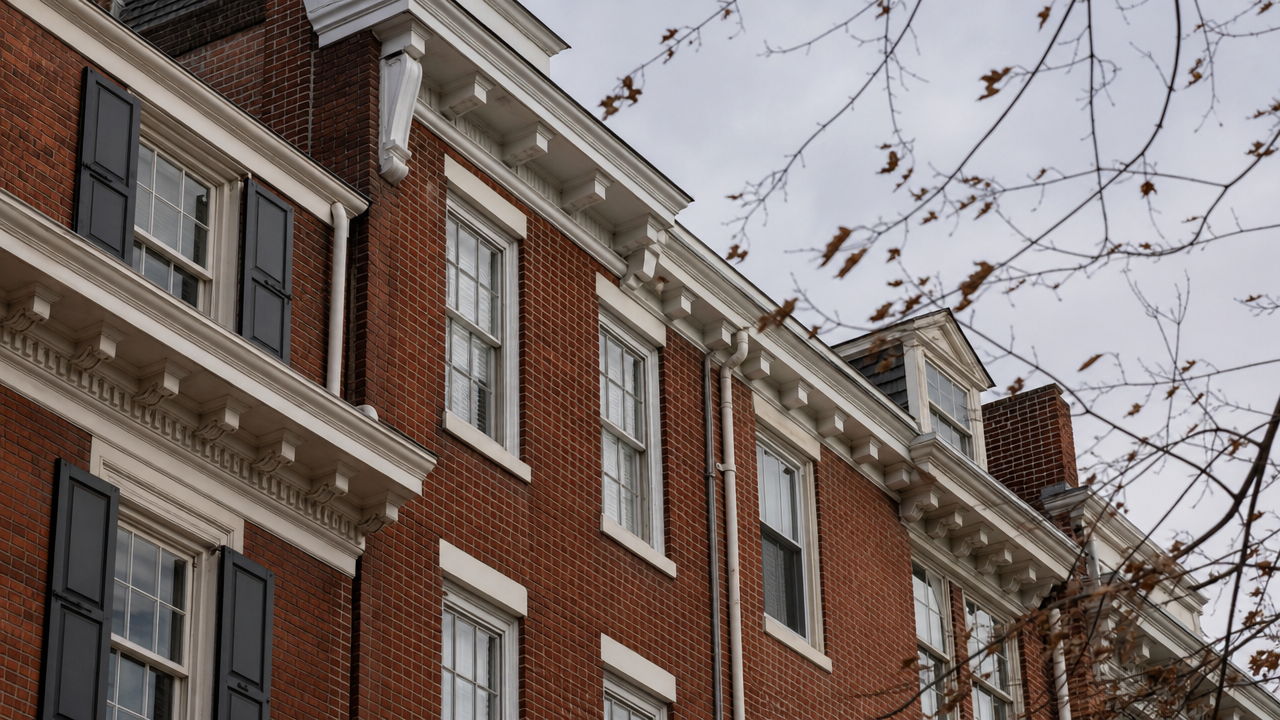
There are three kinds of homes here, and they price very differently. The narrow colonial rows on Pine and Spruce are the postcard: old brick, shutters, small rear patios, and prices that start around $800K for a full house. Then there are the big four-story townhouses that were carved into two to six units decades ago. Those condos are where much of the lower half of the range sits, and they're almost always walk-ups, so plan on climbing to the top floor with your groceries. The third group is newer condo buildings along the corridors, with elevators, doormen in some, and higher monthly fees.
Condos in converted townhouses come with their own homework. Small associations of four or six owners don't always have much in reserve, so read the condo resale certificate closely, including the budget, any special assessments and what the fee covers. In a newer building, ask about the tax abatement and how many abatement years are left, since your tax bill can jump when it ends. In an old row, give the inspection real time. Two-hundred-year-old party walls, old roofs and patched plumbing are normal here, and they belong in your offer, not your surprise budget.
The historic district is in court
In 2024 the Philadelphia Historical Commission created the Washington Square West Historic District, about 1,441 properties built between 1740 and 1985, the largest district the city had approved in decades. Some owners challenged it. A Court of Common Pleas judge overturned the designation in early 2026, then vacated that order after the city appealed, then overturned it again in October 2026. The city appealed again to Commonwealth Court in November, and according to the Inquirer, the district stays in place while the case continues. The next ruling isn't expected until 2028.
Here's what that means if you buy. Treat the rules as live. If a house is designated, changes to the outside need the Commission's approval, which runs through your building permit: windows, doors, cornices, masonry, roofing visible from the street, and additions. Interior work doesn't. Many properties in the neighborhood were already listed one by one on the city's register before the district existed, and those rules apply no matter how the case ends. Before you offer, ask the Historical Commission to confirm the address and its status, and budget for exterior work the way a designated owner would. If you've read our Spruce Hill guide, it's the same set of rules, with a court case on top.
What's changing on these blocks
The biggest local story is 1315 Spruce Street. The owners of the 176-year-old building there, which has been closed since December 2025, have proposed tearing it down and building a six-story building with up to 42 affordable apartments for seniors on the top floors and community space below. It depends on federal tax credit funding, an Inquirer columnist estimated five to seven years for the apartments, and any new construction there still needs Historical Commission approval even with the district in court. It's a good example of why the case matters: what happens to older buildings on these blocks depends on how it ends.
The rest of the change is steady rather than dramatic. New condo and apartment buildings have filled in lots along the corridors over the past few years, and that newer stock is a big reason the median leans toward condos. If you're buying a whole house, that supply doesn't compete with you much. If you're buying a condo, it does, and you'll have more choices and more room to negotiate.
Who it fits, and where else to look
Washington Square West fits buyers who want to walk to work, to dinner and to the hospitals, and who would rather give up a garage and a yard than a commute. It fits first condo buyers who want Center City at a price below most of its neighbors. It doesn't fit buyers who need parking, an elevator in an older building, a big yard, or freedom to change the front of the house however they like.
If you like the feel but want something a little quieter, Society Hill runs about $605K in our guide, with more whole-house rows and the same kind of historic rules. Old City is about $445K and is mostly lofts and condos. If you want a renovated row with a bit more space, Graduate Hospital runs about $655K and Bella Vista about $550K, a short walk south.
Frequently Asked Questions
How much does a home cost in Washington Square West?
Our Philly Neighborhood Guide puts the Washington Square West median at about $420K, with most sales between $250K and $850K, based on the 12 months through November 2026. The median leans condo. A whole row house usually runs $800K and up.
Is the Washington Square West historic district still in effect?
For now, yes. A judge overturned the 2024 designation for the second time in October 2026, but the city appealed to Commonwealth Court in November, and the district stays in place while the case continues. A ruling isn't expected until 2028. Confirm any address with the Historical Commission before you buy.
What needs approval in a Philadelphia historic district?
Exterior changes do, including windows, doors, cornices, masonry, roofing visible from the street, and additions. Interior work does not. The review runs through your building permit application with the Philadelphia Historical Commission.
What should I check before buying a condo in a converted townhouse?
Read the resale certificate closely, including the budget, reserves and any special assessments, since small associations often have little in reserve. Confirm what the monthly fee covers, and plan on a walk-up with no elevator.
Want the quick version of all 20 neighborhoods we cover, with prices and housing stock side by side? Start with our Philly Neighborhood Guide.