
Buying a Flipped Philly Row Home? Check the Permits First
How do you know a flipped Philly row home was done right?
You check the City's records before you trust the finishes. A flip can look perfect and still hide work that was never permitted or never inspected, and in Philadelphia that becomes your problem the day you take title. The good news is that most of what you need is public: the permit history, the inspection results, and any open code violations are all searchable by address. Do it before your inspection deadline, not after.
Flips are a big slice of what you'll tour. ATTOM data reported by the Inquirer in November 2025 put flips at roughly 8% of the Philadelphia region's home sales in spring 2025, with the typical one a 1950-era house resold about six months after purchase. Plenty of them are solid. We've walked buyers into flips where the investor pulled every permit and you could see it in the work. We've also seen gorgeous kitchens sitting on wiring nobody ever looked at. You can't tell which one you're in from the staging.
Why the paperwork matters more than the paint
In Philly, most work beyond regular maintenance needs a permit: structural changes, interior and exterior alterations, major repairs, and anything that moves a wall. Electrical and plumbing work has to be done by a licensed contractor. Cosmetic work like paint, cabinets, countertops and most flooring doesn't need a permit, which is exactly why a flip can look finished while the expensive parts behind the walls went unchecked.
Here's the part buyers miss. An open permit or an unresolved violation doesn't leave with the seller. Once you own the house, the City looks to you to close it out, and that can mean scheduling inspections, hiring a licensed contractor to pull an as-built permit, or opening finished walls so an inspector can see what's inside. Open permits can also show up as exceptions on your title insurance and come back to bite you when you sell.
The 15-minute records check
Start with Atlas (atlas.phila.gov). Search the address and look at two things. First, permits: was work permitted at all, and does each permit show as completed with inspections passed, or is it still open? A recent gut renovation with no permits on record is a question you need answered before you go further. Second, violations: any open L&I case, especially one for work without a permit, tells you the City already noticed something.
Next, look up who did the work. Philadelphia requires a City trade license for plumbers and electricians, and contractors who only work on existing one- and two-family homes need a Pennsylvania Home Improvement Contractor registration, searchable through the Attorney General. If the names on the permits don't check out, or there are no names at all, that's worth knowing now.
Then read the seller's disclosure closely. The Pennsylvania form asks whether additions, structural changes or other alterations were made and whether all necessary permits were obtained. It also lets a seller who never lived in the house say so. Flippers often check that box, which means the answers can be thin. That's legal, but it puts more of the burden on you, so it's worth knowing what Pennsylvania sellers have to disclose before you lean on the form.
What to ask for if something's open
An open permit doesn't automatically mean bad work. Sometimes the contractor just never called for the final inspection. That's the easy version, and the seller can usually fix it before settlement. What we tell buyers is to put it in writing: ask the seller to get open permits finaled and violations closed before closing, with proof. If the timing won't work, ask for a credit or an escrow holdback instead of a promise. A permit that expired, failed inspection, or covers structural work is a bigger conversation, and that's when you bring in a licensed contractor or engineer before your contingency runs out. If the inspection report comes back long, we have a full guide on what to do when the inspection report comes back long.
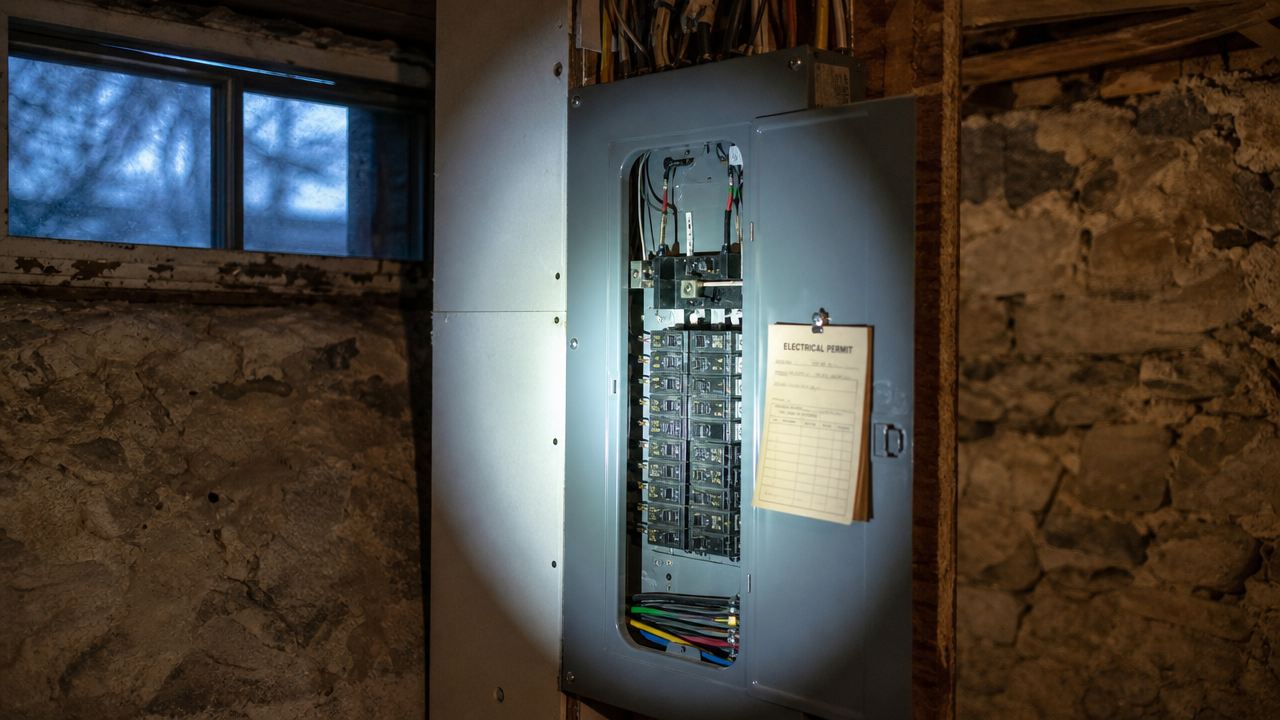
Your home inspector is still essential, but they can't see through drywall. On a flip, I'd add a sewer scope since a new bathroom upstairs often means new drain lines tied into an old lateral, and I'd have the inspector spend extra time on the electrical panel, the basement, and anywhere new finishes meet old structure.
When a flip is worth it
A good flip can be a great buy: updated systems, a layout that works, and no renovation project of your own. The ones that hold up tend to have a clean permit trail, a licensed contractor you can name, and a seller who answers questions instead of dodging them. If the records are blank and the answers are vague, you're not saying no to the house. You're pricing in the risk, or walking while your contingency still lets you.
Frequently Asked Questions
How do I check permits on a house in Philadelphia?
Search the address on Atlas (atlas.phila.gov), the City's property lookup. It shows permits issued for the property and whether they're still open or completed, along with any L&I code violations. Check it before your inspection contingency expires so you have time to ask the seller to fix anything open.
Do open permits transfer to the buyer in Philadelphia?
In practice, yes. Once you own the property, the City looks to the current owner to close open permits and resolve violations, not the person who did the work. That's why buyers ask the seller to close them before settlement or negotiate a credit or escrow holdback.
Does a flipper have to fill out a seller disclosure in Pennsylvania?
Pennsylvania's disclosure law applies to most sellers, including investors. But the form lets a seller who never occupied the property say they lack personal knowledge, so a flipper's answers can be limited. Your own records check and inspection fill that gap.
What work needs a permit in Philadelphia?
Generally, structural changes, interior and exterior alterations, major repairs and additions need a building permit, and electrical and plumbing work must be done by a licensed contractor. Paint, cabinets, countertops and most flooring usually don't. Rules differ for historic properties, so check with L&I for a specific address.
If you're looking at a flip and want help reading the permit history before you write an offer, here's how we work with buyers, from the first tour through the inspection deadline.