
Buying in Brewerytown: Room to Negotiate, Block by Block
Is Brewerytown a good place to buy a house in Philly?
It can be one of the better deals in the city right now, as long as you treat every house as its own decision instead of trusting the neighborhood average. Our 2026 Philadelphia Neighborhood Guide puts the Brewerytown median at $295K for the twelve months through July 2026, with prices roughly flat and sales volume down by more than a third. Fewer buyers chasing the same houses means real room to negotiate. The catch is that a fully renovated row and a house nobody has touched in decades can sit side by side on the same block, and the permit history and your inspection are how you find out which one you're paying for.
Brewerytown sits in North Philly just northwest of Fairmount, running north from Girard Avenue with East Fairmount Park along its western edge. The housing is mostly brick two- and three-story rows on a tight grid, mixed with newer infill townhomes and a few converted industrial buildings left from the breweries that gave the neighborhood its name. Girard Avenue is the main strip for coffee, food, and daily errands, and the park is close enough that its paths and the trails along the Schuylkill become part of a normal week. Our guide gives it a Walk Score of 89 and a Transit Score of 60, so most errands work on foot, while getting to Center City usually means a bus or a short drive rather than a train.
What your money buys, and what to check
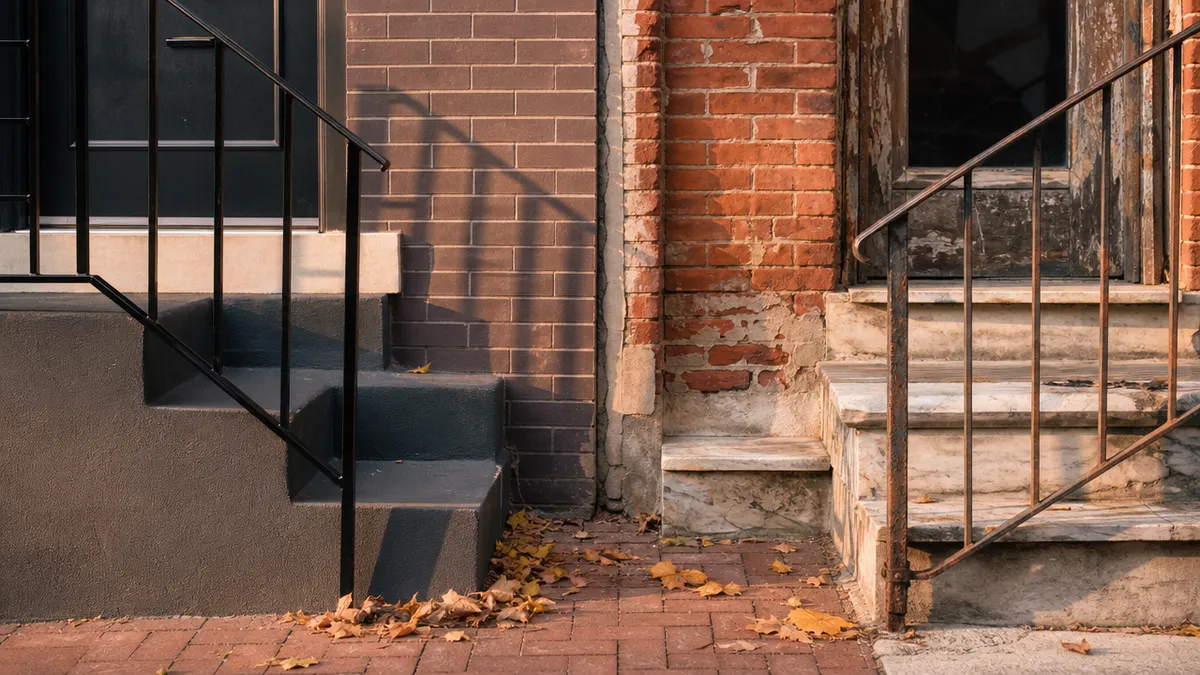
The $295K median hides a wide spread. The guide puts most Brewerytown sales between $180K and $450K, and closings listed on Redfin this fall run from low six figures for houses that need everything to the mid-$500Ks for big renovated rows and newer construction. That spread is the whole story of this neighborhood. Developers renovated and built a lot here over the past decade, so you get blocks where flipped rows with new kitchens and roof decks sit next to original houses with their old systems still running. Both can be good buys. They are just completely different buys, and the price gap between them is not always as big as the condition gap.
Here's the read we'd give a client. When sales volume drops by more than a third and prices hold flat, sellers are not getting the multiple-offer pressure they got a few years ago, and houses sit longer. That is your leverage, and it shows up in price, in repair credits, and in sellers covering part of your closing costs. It cuts both ways at resale, though. If you buy here, plan to stay long enough that a slow market when you sell won't hurt you, because the same patience you're counting on from sellers today is what your buyer will expect from you later.
The renovated houses are where buyers get tripped up. A fresh flip looks perfect at a showing, and the finish quality tells you almost nothing about what's behind the walls. Before you write an offer on one, pull its permit history on the City's Atlas map and check whether the electrical, plumbing, and structural work was permitted. Then use your inspection period hard: the roof, the party walls, the basement, and a sewer scope on the line out to the street, which the owner is responsible for in Philly. If the report comes back with surprises, our guide to what to do when the inspection comes back scary walks through your options. On newer construction, also ask how many years of property tax abatement are left, because the tax bill jumps when it ends and that changes your monthly payment.
Brewerytown fits a buyer who wants a full-size row home next to a big park for well under Fairmount prices and who is willing to do the homework on condition. It also fits buyers who are comfortable taking on a project, since the untouched houses at the low end of the range leave room in the budget for work. It's a harder fit if you want a uniform, turnkey block, if you need a train stop a few minutes' walk away, or if there's a real chance you'll need to sell in two or three years.
What's changing, and where else to look
The construction pipeline hasn't stopped. The largest project is the 160-unit complex at 2630 West Girard Avenue from ADCO and Callahan Ward: a five-story building with about 9,300 square feet of ground-floor retail on Girard, plus four-story buildings behind it, which was well into construction at Philly YIMBY's last site visit in fall 2024. Smaller infill keeps coming too, including permits issued in January 2026 for new single-family homes on Master Street and Cecil B. Moore Avenue. More new homes means more choice, and it's one reason prices have held flat instead of climbing. It also means more of what you'll be shown is new or newly renovated, which puts the permit and abatement questions front and center.
If Brewerytown is close but not quite right, two neighbors are worth comparing. Fairmount, just to the southeast, is the step up in price: the same brick rows, more of them already restored, and the Art Museum end of the park at your door. Our Fairmount neighborhood deep-dive covers what that premium buys. Port Richmond, across the city in the river wards, is the other value play, with a $225K guide median, wider streets, and the same need to read condition house by house; our post on buying in Port Richmond covers it. And if you'd pay more for restaurants and the El, Fishtown is the obvious comparison at about $400K in our guide.
Frequently Asked Questions
What is the median home price in Brewerytown?
Our 2026 Philadelphia Neighborhood Guide puts the Brewerytown median at $295K for the twelve months through July 2026, with most sales between $180K and $450K. Prices held flat over that year. Renovation quality swings individual prices a lot, so confirm current comps before you set a budget.
Is Brewerytown a buyer's market right now?
It leans that way. Sales volume fell by more than a third over the past year while prices held flat, so sellers face less competition and buyers have more room to negotiate on price, repairs, and credits. Well-priced renovated homes still sell, so your leverage depends on the specific house.
What should I check before buying a renovated row home in Brewerytown?
Pull the permit history on the City's Atlas map to confirm the major electrical, plumbing, and structural work was permitted. During your inspection, look hard at the roof, party walls, basement, and the sewer line to the street, which Philadelphia owners are responsible for. On newer construction, ask how many years of tax abatement remain.
Is Brewerytown walkable?
Mostly, yes. Our guide gives Brewerytown a Walk Score of 89, with Girard Avenue as the main strip for food and errands and East Fairmount Park on the western edge. Transit is weaker, with a Transit Score of 60, so plan on buses or a car for many commutes.
If you're weighing Brewerytown against other parts of the city, our Philadelphia Neighborhood Guide lays out prices, housing stock, and walkability for all twenty neighborhoods we cover, side by side.